Separate the trichomes from fresh-frozen cannabis with ice water, then press that hash under heat, and what lifts off the plate is live rosin. No chemical solvent is used to extract it.
At Heavy Hitters, the sequence runs first freeze, first wash, first press. First freeze means the living plant goes straight into a deep freeze at harvest, so what reaches the wash is the aromatic makeup the plant had that day. First wash means the trichome heads are separated in ice water and we keep only the earliest, cleanest fraction, the six-star full-melt grade, rather than blending in the later washes that give more yield and less character. First press means that hash goes through a single press instead of being run again for extra return.
Each of those three choices costs yield. That's why a solventless product sits in a higher price tier, and it has nothing to do with how it's marketed. You're paying for the material that got left behind.
One correction worth making, because our own education materials make it and almost no glossary page does: water is technically a solvent. In hash making it works mechanically, knocking the trichome heads loose instead of dissolving cannabinoids and terpenes the way a chemical solvent does. So solventless is shorthand for no chemical solvents, and it isn't the same claim as solvent-free. You can see the format across our live rosin pre-rolls.
Live resin, and what purging actually does
Swap the ice water for a chemical solvent and you get live resin, built from the same fresh-frozen material, with that solvent purged back out of the oil before it's packaged. Well-made live resin is a good product and deserves saying so.
The word that worries people is solvent. That worry is fair, and it has an answer. Purging pulls the solvent back out after extraction. Extraction using volatile solvents is regulated in California, down to permissible extraction types and certified closed-loop systems. What makes the purge more than a promise is the residual solvent panel, one of the categories every batch has to be tested for before sale. A batch that fails that panel doesn't reach a shelf.
So the solvent question carries a document with it on every batch. Nobody is asking you to trust the word purged. There's a panel, and it either passed or it didn't.
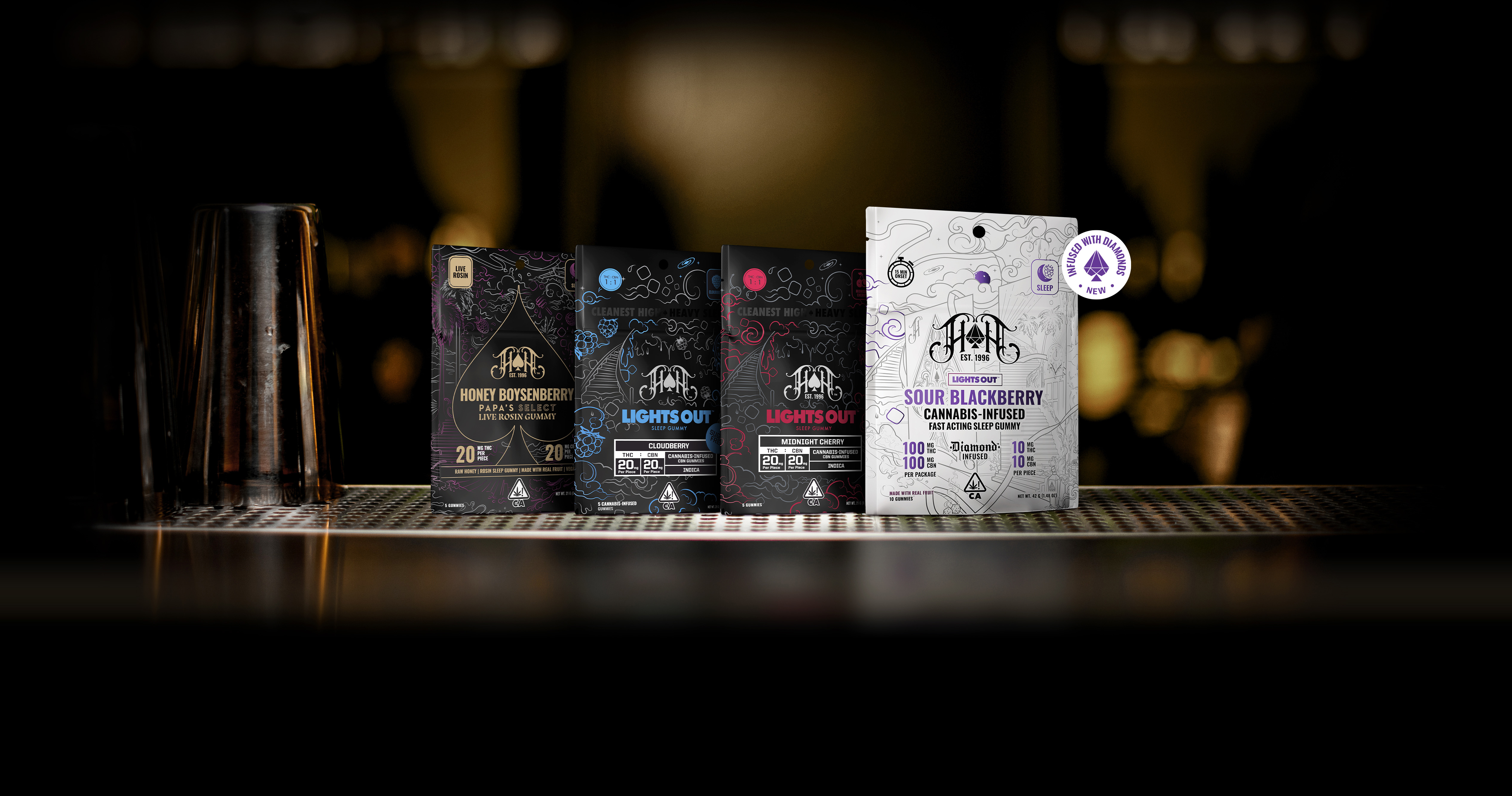
The category names blur at the counter, so here's where we sit. Heavy Hitters makes Live Rosin Solventless, and Slow Cured Resin, which is cured instead of live and a different timing decision entirely. Our resin carts category holds those Slow Cured products. If you're shopping live resin specifically, you're shopping other producers.
Why fresh-frozen matters for flavor
Both names carry the word live for one reason: the plant went into a freezer at harvest rather than into a drying room first. That single decision is why both categories taste of one specific harvest rather than of a finished batch.
Fresh-frozen and properly cured material differ in composition rather than in quantity. A freezer at harvest fixes the plant's aromatic makeup at a single moment, and which compounds dominate that moment is decided by the genetics. A cure moves that makeup somewhere else on purpose and then fixes it there, which is the target our Slow Cured Resin is built for. The practical difference is repeatability: a harvest snapshot varies with the harvest, while a cure is run to a mark.
On rosin products that aroma gets measured and printed. Across the Live Rosin all-in-one certificates in our own document set that report a terpene total, the sum of terpenes ranged from 61.9 to 110 mg per 1 gram package, sample ICC-260715-24-003 among them. Those figures describe those named batches. A terpene total reports one number for one batch, and it does not rank one category against another.
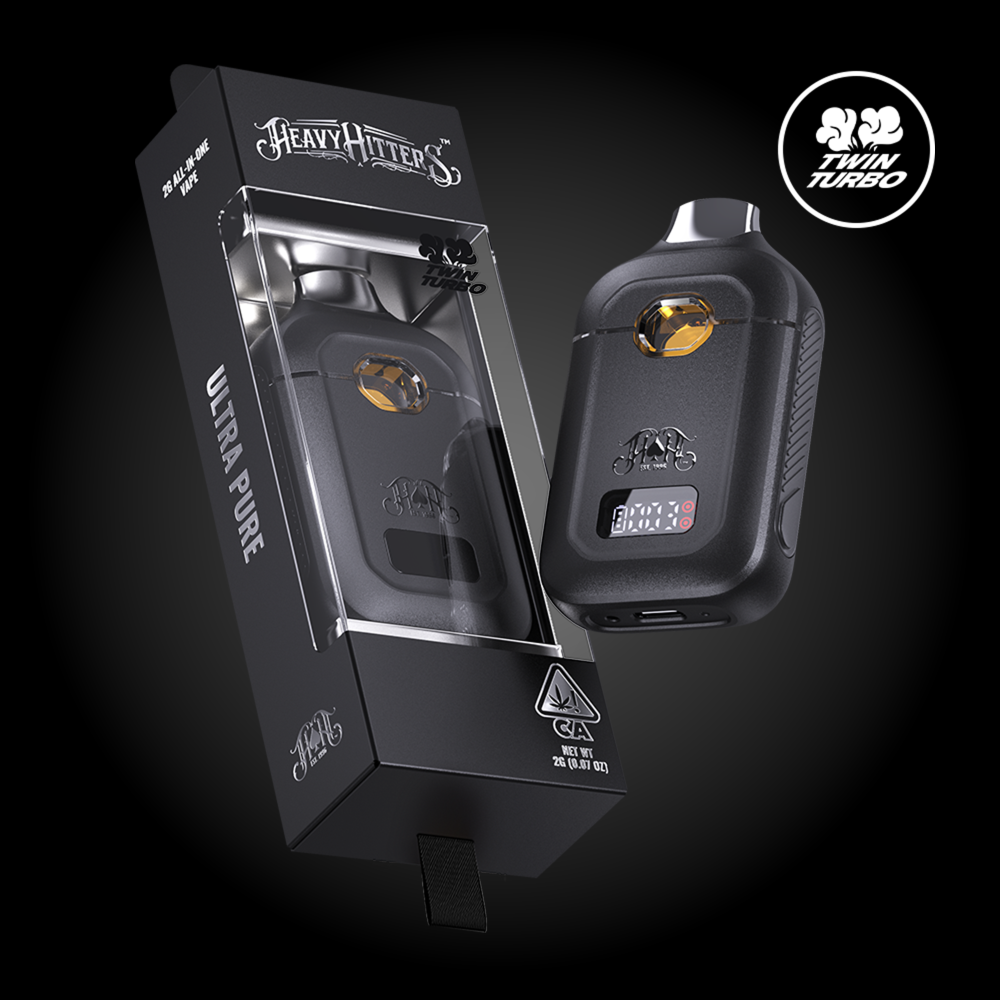
In practice, you can check it without any of that. If the jar smells like the strain and the draw tastes like the jar smelled, the fresh-frozen step did its job, and nothing was added afterward to make that happen. You can taste it in the 2g Pure Live Rosin.
How can you tell which one you're buying?
Read the product name first, then the batch document. Producers are specific about the words live rosin and live resin because the methods differ, so the name on the package is doing real work rather than decorating.
Rosin and solventless products say so directly. Live resin says live resin. If a package says only concentrate or only extract, that's the moment to ask a budtender, because those words cover both methods and several others.
Behind the name sits the paperwork. Every California batch is tested by a licensed California laboratory, and every document carries batch and sample tags that tie that specific certificate to that specific package. As a worked example, batch ICC-260601-17-001, a 1g Live Rosin all-in-one, was collected on June 1, 2026, ran as a batch of 861 units with 15 sampled, and passed all seven panels. That's one batch and it describes one batch, which is the entire point of testing per batch instead of per product line.
A caveat about labels. A cart-back label or QR code shows a subset of a full certificate, so a short label isn't a red flag. The full panel lives in the document. Our Live Rosin Solventless all-in-one follows the same batch-level process as everything else we make.
Which should you choose?
Choose live rosin if the solventless method itself matters to you, or if you chase flavor that sits close to the living plant. Choose live resin if you want a full-bodied fresh-frozen concentrate at a different price tier and you're satisfied with a passing residual solvent panel.
Neither answer is the sophisticated one. People who insist solventless is the only serious option are arguing about method, not about what's in the jar, and plenty of live resin is made with real care. If you'd rather no chemical solvent were used at all, that's a coherent preference and nobody should talk you out of it. It is a decision about process, and process is a legitimate thing to care about.
Instead of a verdict, try a habit. Pick one of each from producers you trust, note what the jar smells like before the first draw, and note whether the draw matched. You'll learn more about your own preference in two sessions than any comparison page can tell you. A budtender can point you at both when you want to try that half of the comparison.